


Guide
Recovery routine basics: a quick guide
A simple, repeatable framework for the hours after training — wind-down, refuel, rehydrate and rest — built around habits that actually stick.
5 min read
Keep it boring, keep it doable
The best recovery routine is the one you will actually do, every time, without thinking about it. Elaborate protocols look impressive and get abandoned by the second week. Simple, repeatable habits are what move the needle over a season.
The aim is to build a short sequence you run after a session almost on autopilot — a wind-down you do not have to negotiate with yourself about. Here is a framework you can shape to fit your life.
Step one — wind down
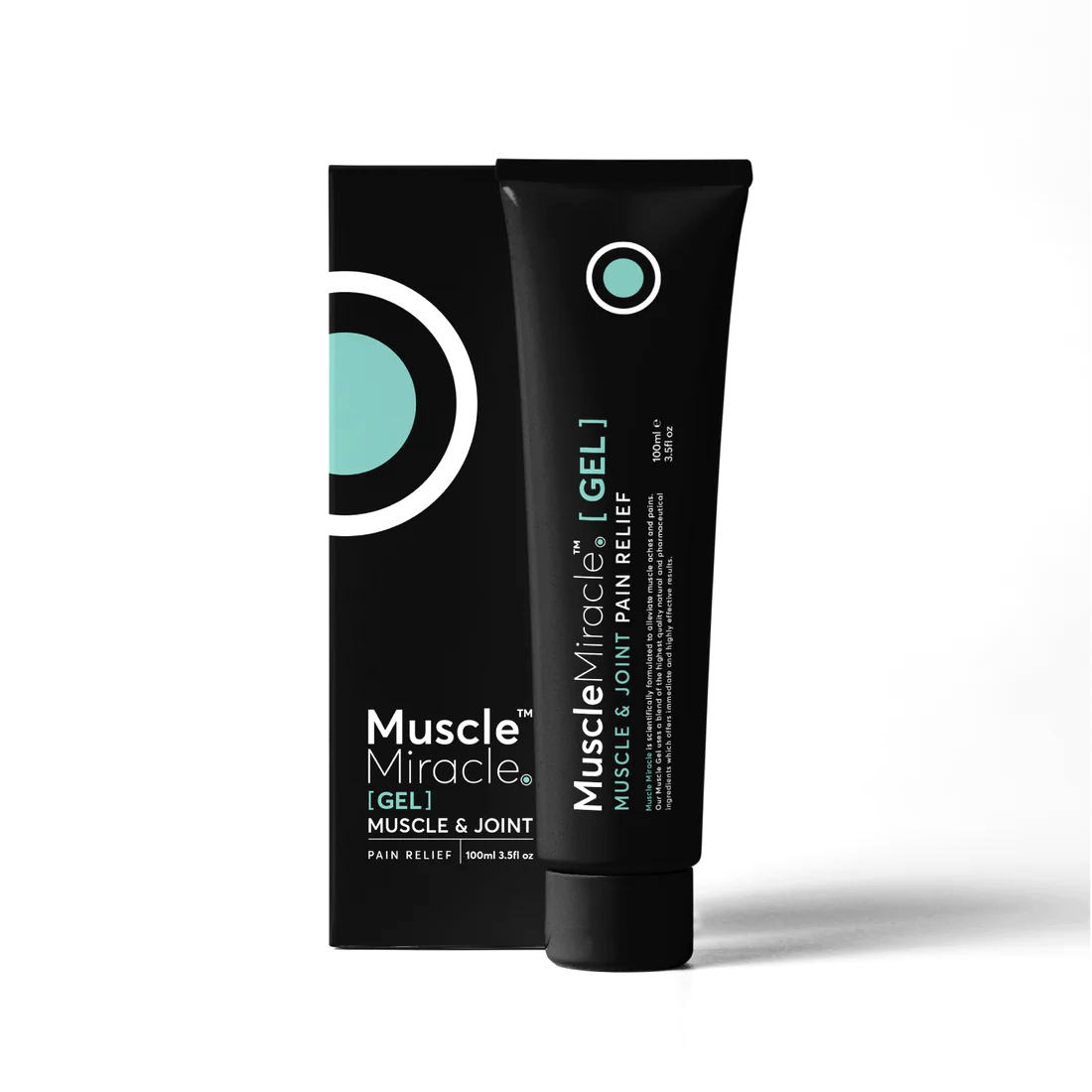
Give your body a clear signal that the hard part is over. A few minutes of easy movement, some light stretching, and a cooling gel or roll-on over the muscles you worked all help mark the shift from effort to recovery.
It does not need to be long. Five focused minutes beats a thirty-minute routine you skip because you are tired and hungry.
Step two — refuel and rehydrate
Get something in that combines protein and carbohydrate within a sensible window of finishing. A normal balanced meal is perfect; a simple snack bridges the gap if your meal is a while off.
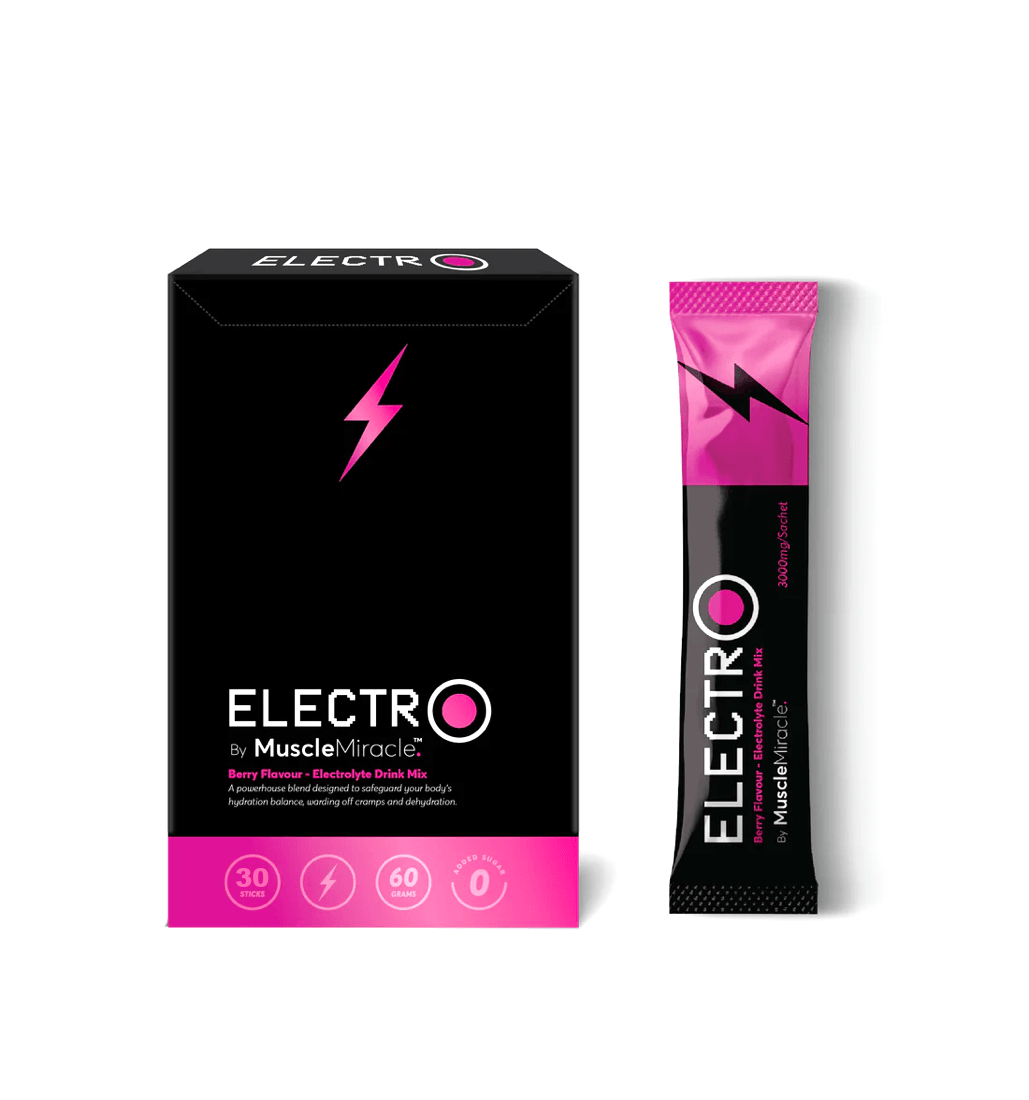
Rehydrate alongside it. Water is the baseline, and after a sweaty session an electrolyte drink can help you top up the fluid and minerals you have lost — and feel a lot less wrung out by the evening.
Step three — protect your sleep
Sleep is where most of your recovery actually happens, so guard it. A consistent bedtime, a cool dark room and a screen-light wind-down do more for next-day soreness than almost anything else in this list.
If your training is intense, your sleep need usually goes up, not down. Treat an early night as part of the programme, not a luxury.
Step four — listen and adjust
Build in genuine rest. Easy days and full rest days are when your body banks the work you have put in; train hard every single day and you simply dig a hole. A light walk on an off day often beats lying completely still.
Pay attention to how you feel. Ordinary soreness that fades is fine. Pain that lingers, swelling, or a tiredness that will not shift is a cue to back off and, if it carries on, to speak to a physio or GP. A routine you can sustain for months will always beat a heroic week you cannot repeat.