Guide
Electrolytes and hydration: a quick guide
Sodium, potassium, magnesium — what electrolytes do, why you lose them when you sweat, and when a drink mix earns its place over plain water.
4 min read
Hydration is more than water
Drinking water is the foundation of staying hydrated, but it is not the whole story. Your body also relies on electrolytes — minerals like sodium, potassium and magnesium — to keep fluid balanced and your muscles and nerves working properly.
When you sweat, you lose fluid and electrolytes together. Top up the water but not the minerals and you can still end up feeling flat, especially after a long or sweaty session.
What electrolytes actually do
Electrolytes help your body hold on to the fluid you drink and move it where it needs to go. They play a role in muscle contraction, nerve signals and that general sense of feeling switched-on rather than sluggish.
Sodium is the one you lose most of in sweat, which is why an electrolyte mix tastes slightly salty rather than purely sweet. That salt is doing a job, not just flavouring the drink.
When a drink mix helps
For an easy session in cool conditions, water is usually plenty. The case for an electrolyte drink gets stronger when you have been sweating hard — a long workout, a hot day, back-to-back sessions, or a heavy sweater who soaks a shirt every time.
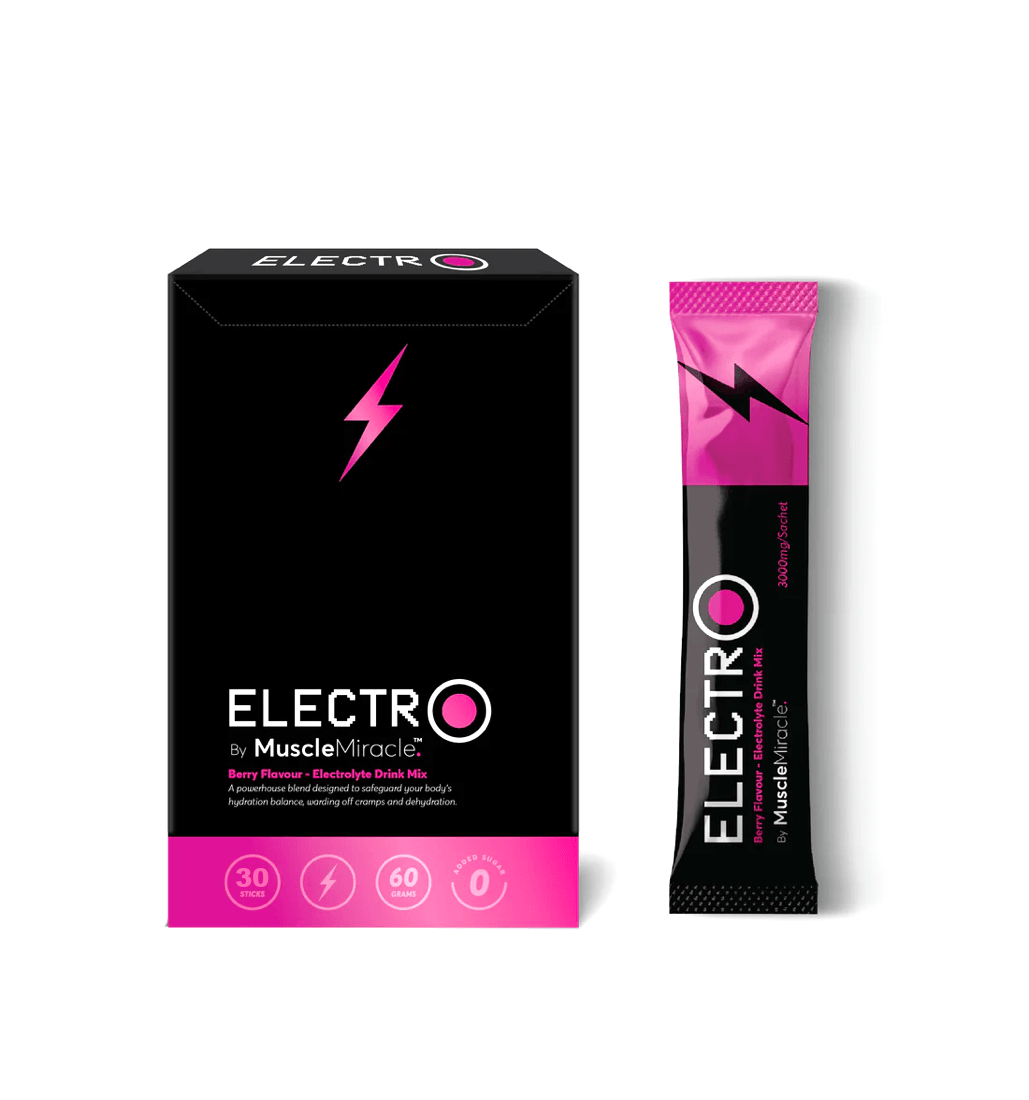
Stirring a serving into water can help you rehydrate and feel like yourself again sooner afterwards. A zero-sugar mix keeps it simple if you would rather not add extra sugar to your day.
Fitting it into your routine
There is no need to overcomplicate it. One serving in 300 to 500ml of water, before, during or after a session, is an easy habit to keep. Treat it as a top-up around the sweaty days rather than something you need every single time you train.
If you have a health condition that affects how much sodium or fluid you should have, check with your GP before making electrolytes a regular thing — it is a quick conversation worth having.