Quick answer
How menthol creates its clean cooling sensation on the skin — and why that feeling is the point of a good recovery gel.
Why a menthol gel feels cold
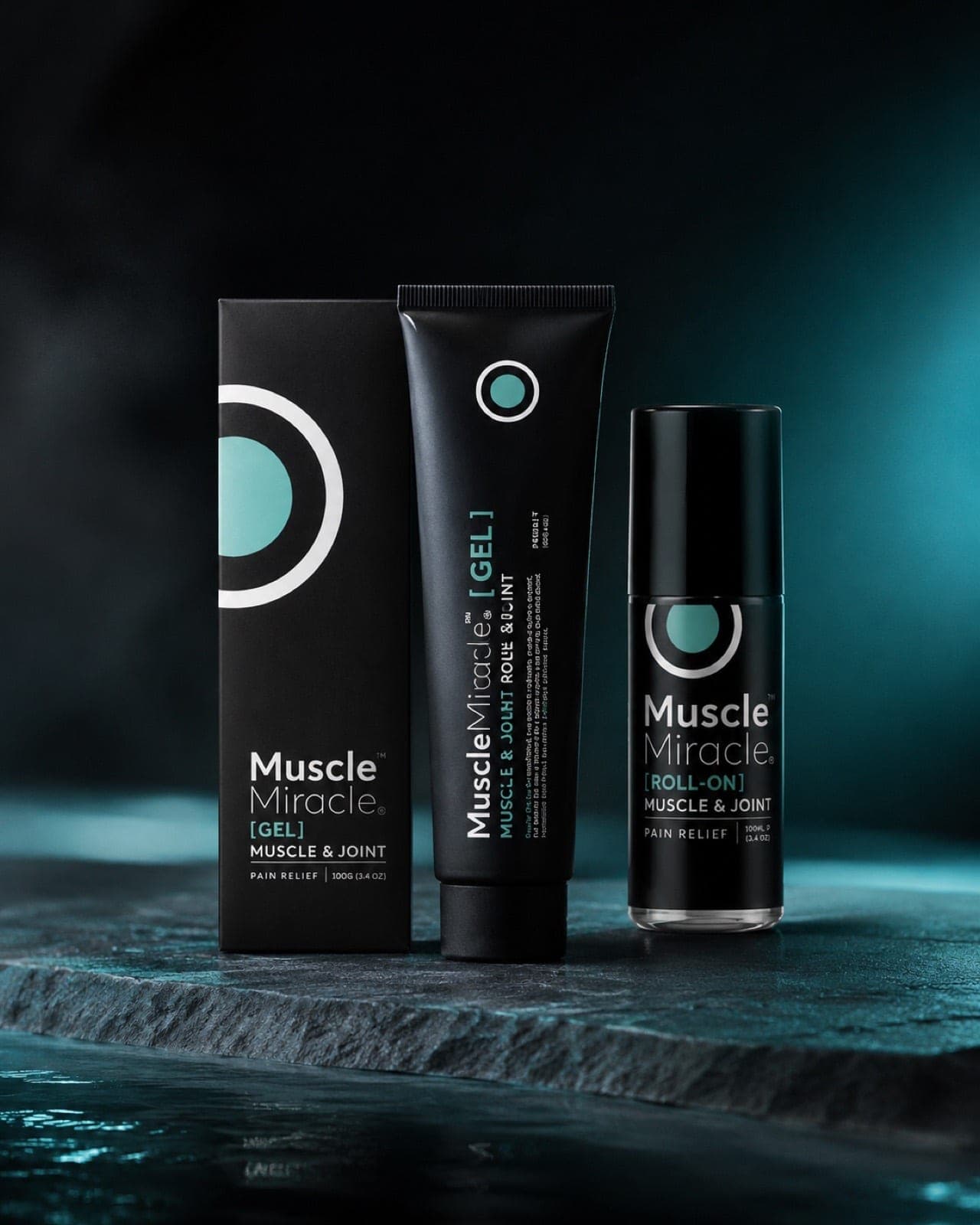
Menthol works by interacting with the cold-sensing receptors in your skin — the same ones that respond when you step outside on a fresh morning. Nothing about the skin's temperature has actually dropped; menthol simply convinces those receptors that things have cooled down.
Your brain reads that signal as a fresh, cooling sensation. It is the same family of feeling you get from a strong mint, translated from the tongue to the skin. That is why a menthol gel can feel so vivid and immediate the moment it goes on.
Cooling versus warming
Topicals broadly split into two sensory camps, and a good recovery gel often blends them. Knowing the difference helps you understand what you are feeling when that cool-then-warm character kicks in.
Cooling vs warming
The sensation is the point
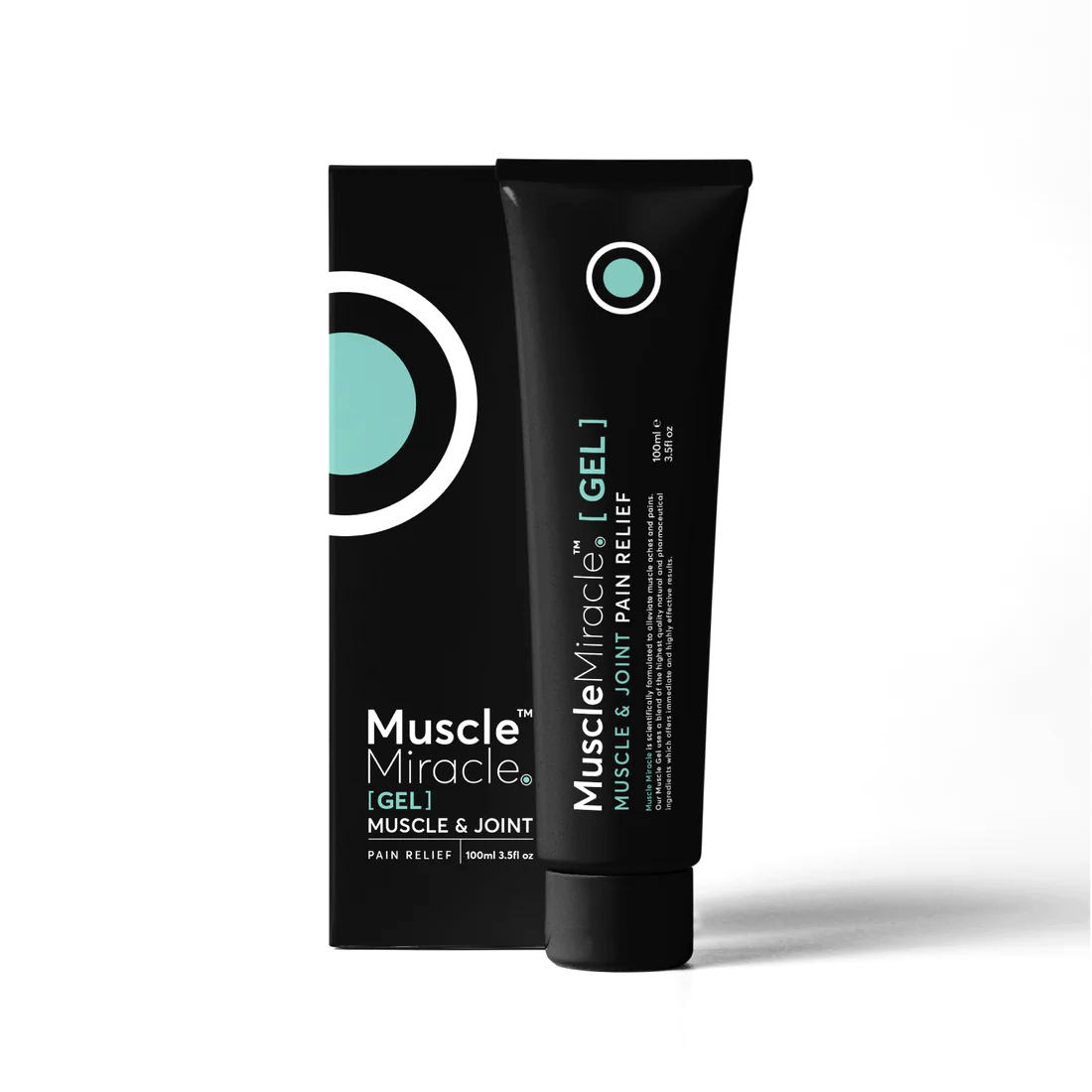
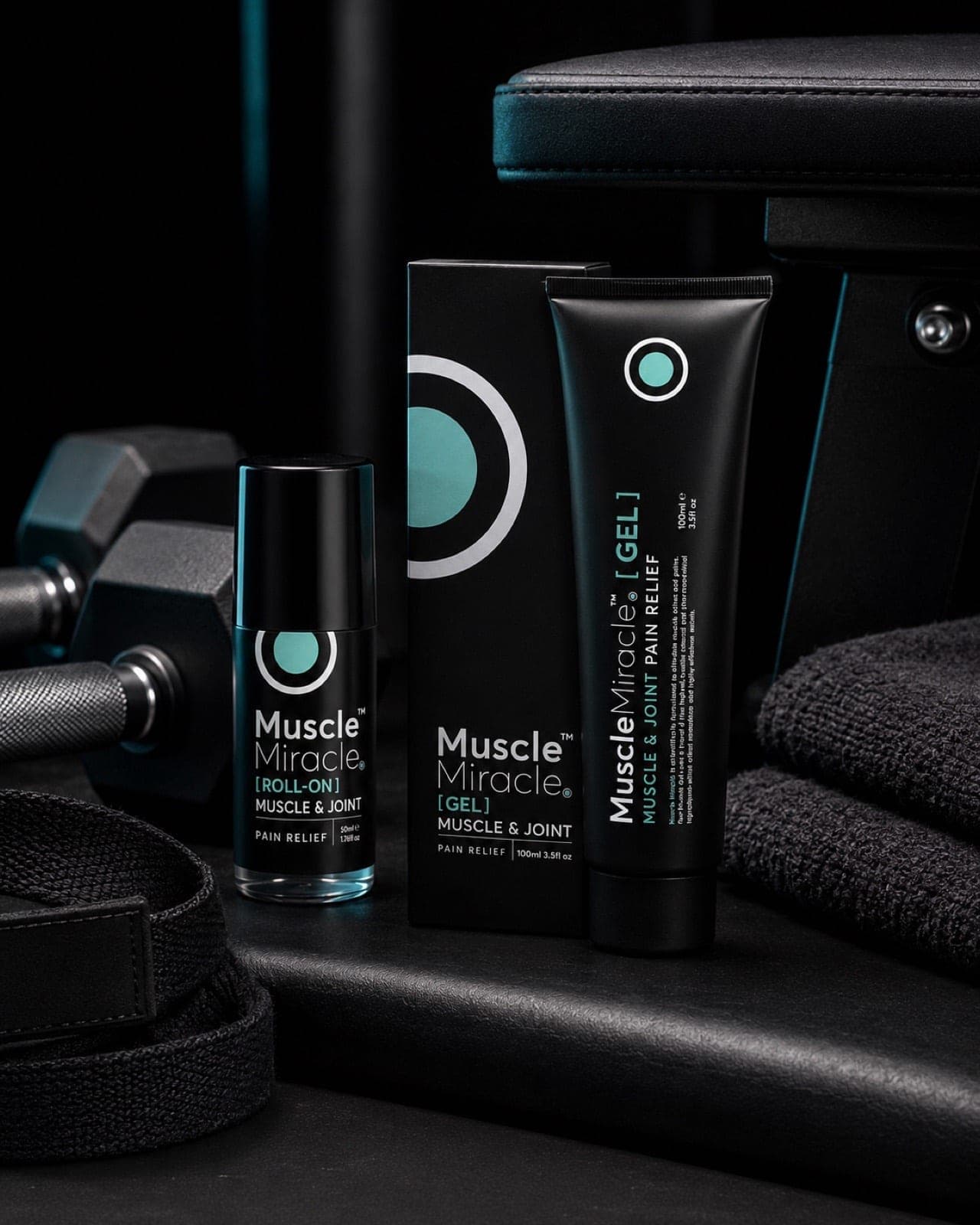
That cool hit is exactly why a menthol gel feels so good over tired muscles after training. It is a sensory experience as much as anything — an unmistakable cue that the session is over and the wind-down has begun.
There is real value in that. A clear ritual helps you mentally close out a hard effort, and a cooling gel makes that ritual feel deliberate rather than rushed. You are giving a hard-worked muscle a moment of attention, which is a surprisingly easy habit to keep coming back to.
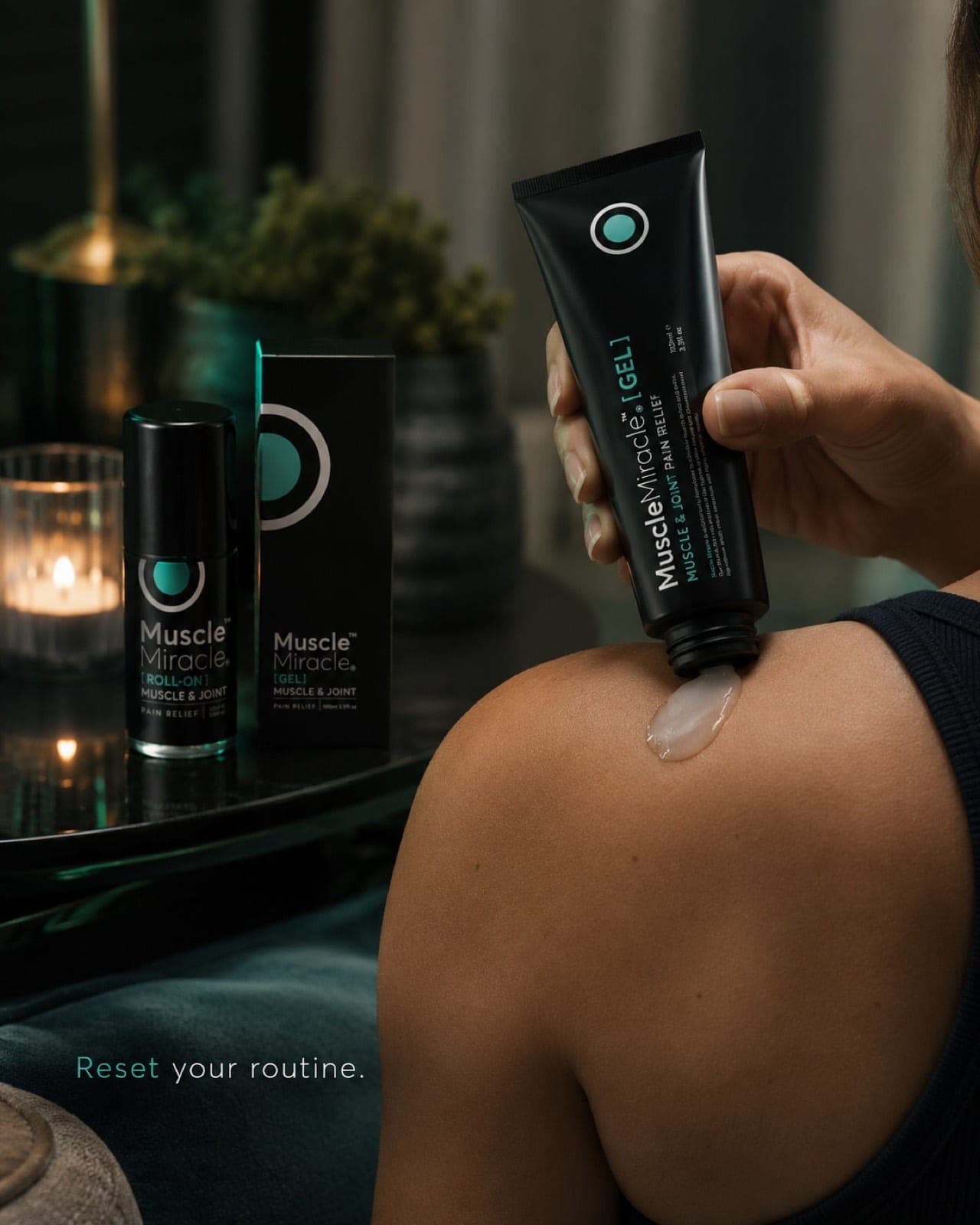
Menthol, camphor and arnica
Menthol rarely works alone on a recovery gel label. It is often paired with camphor, a long-standing balm ingredient that brings a gentle warming note, to create the distinctive cool-then-warm character a good recovery gel is known for.
You will frequently see arnica listed too — a flowering plant whose extract has a long history in traditional topical preparations. As with camphor, it is there as part of the overall formula and the experience of using the product, not as a standalone promise.
Getting the most from the feeling
A little goes a long way. Smooth a thin layer over the muscle or joint you have worked and let it absorb — there is no need to drown the area for a stronger effect. The cooling sensation builds on its own.
Many people like to use it as the first step of their post-session wind-down, before stretching or settling down for the evening. Slot it into a moment you already have and it becomes a habit rather than another thing to remember.