




Quick answer
The stiff, tender feeling a day or two after a hard session — what it is, what helps it feel more comfortable, and when to take notice.
The day-after ache, explained
DOMS stands for delayed-onset muscle soreness — the tender, stiff feeling that tends to peak a day or two after a session rather than during it. It is the ordinary price of asking your body to do something it was not quite used to.
It usually shows up after something new, harder than usual, or with a lot of lengthening movement — think the downward phase of a squat, or running downhill. Your muscles are adapting to a demand they were not quite ready for, and the soreness is part of that adjustment.

Why it happens
When you challenge a muscle beyond what it is used to, you create tiny disruptions in the muscle fibres. Your body responds and rebuilds a little sturdier — that response is part of why you get stronger over time.
The soreness is a normal part of that process, not a sign you have done damage. It tends to be worse the first time you try something and eases as your body gets used to the movement, which is why a routine that floored you in week one feels fine by week four.

What helps it feel more comfortable
Gentle movement usually beats total rest. A walk, an easy cycle or some light mobility work keeps the area moving and often takes the edge off the stiffness more than lying still does.
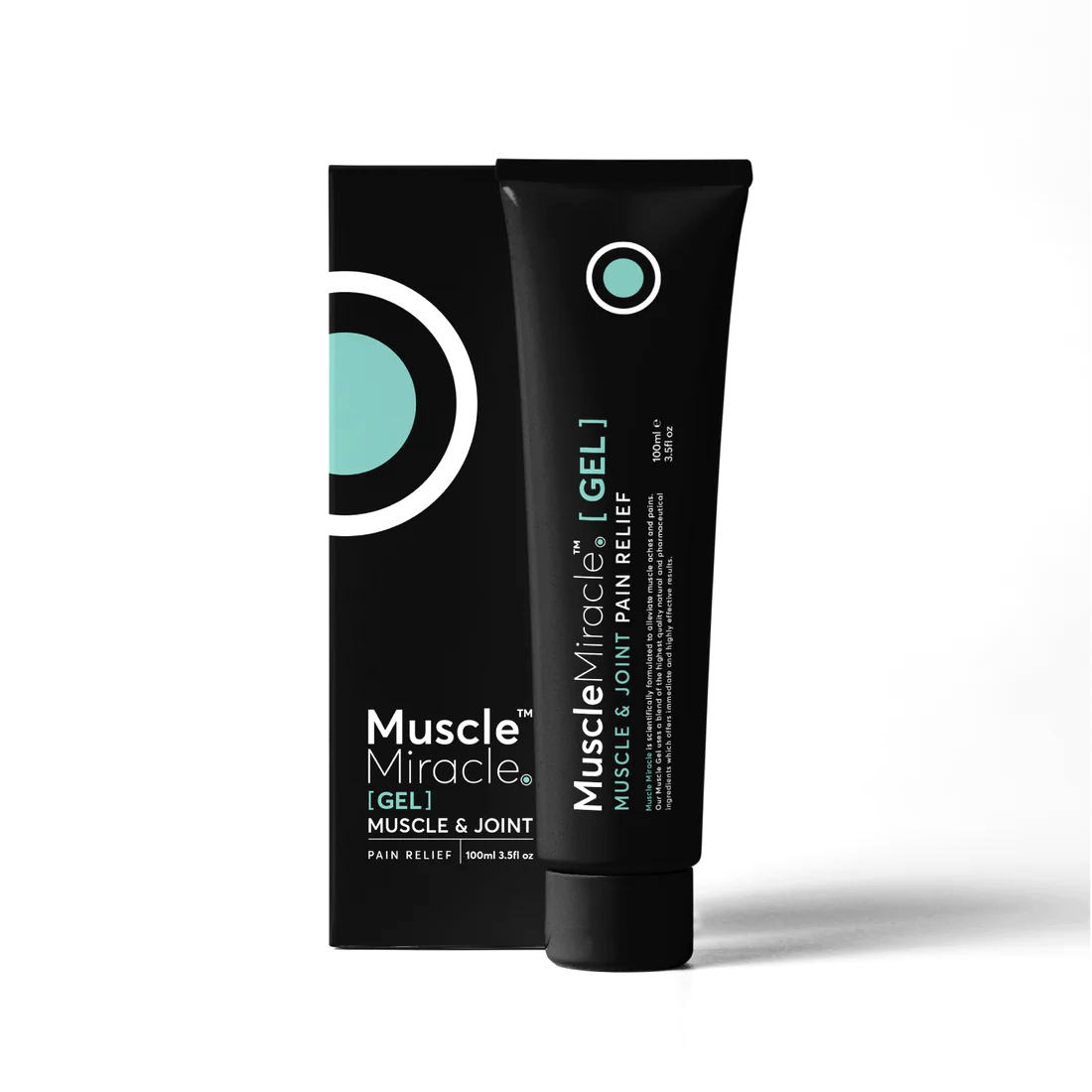
Warmth, a cooling gel, a warm bath, decent sleep and staying hydrated can all make the days more comfortable while your body does its thing. A cooling gel in particular is a nice way to give a sore muscle a moment of attention as part of your wind-down.

Soreness versus something else
DOMS is dull, generalised and symmetrical — both legs after squats, both arms after pull-ups — and it eases over a few days. That is the ordinary kind, and it is nothing to worry about.
Sharp, sudden, one-sided pain, swelling, or an ache that is getting worse rather than better is a different signal. If something does not feel like ordinary soreness, do not train through it — rest it, and get it looked at by a physio or GP if it persists.