Guide
Menthol, camphor and arnica: how to read the label
Menthol cools, camphor gently warms, arnica is the traditional botanical. Here's how to decode all three on a recovery gel's ingredient label.
4 min read
Three names, one line each
Turn a recovery gel over and three ingredients do the heavy lifting on the label. Menthol delivers the clean cooling sensation you feel the moment it touches skin. Camphor is its gentle warming counterpoint. Arnica is the traditional botanical, usually listed as an extract of the Arnica montana flower.
That's the short version. The rest of this guide walks the label line by line, so you know what each name means, where it comes from and what it feels like — no chemistry degree required.
| Ingredient | How it appears on the label | What it feels like on skin |
|---|---|---|
| Menthol | Menthol | Clean, immediate cooling sensation |
| Camphor | Camphor | Gentle warmth that follows the cool |
| Arnica | Arnica Montana Flower Extract (typically) | No sensation of its own — the traditional botanical |
Menthol: the cooling one
Menthol is the name behind that instantly recognisable fresh, cool feeling. On an ingredient list it appears simply as 'Menthol' — one of the easier entries to spot.
It's the compound generally associated with mint — the reason peppermint feels chilly — and it can be produced to a consistent cosmetic standard for skincare use.
On skin it reads as a clean cooling sensation: fresh rather than cold, and quick to settle. In a well-made gel it's formulated to absorb fast and finish clear, with no greasy residue.
Camphor: the warming one
Camphor sits next to menthol on many recovery labels, and it's listed just as plainly: 'Camphor'. It brings a gentle warming note that arrives just behind menthol's chill.
It has long been associated with the wood of the camphor tree, and it has been a fixture of muscle rubs for generations.
Together the pair create the cool-then-warm rhythm you feel in a classic muscle rub: menthol opens with the cool, camphor answers with a soft warmth. If a label lists both, that sensory sequence is what the formulator is aiming for.
Arnica: the botanical one
Arnica is usually the longest of the three names on the label, typically written as Arnica Montana Flower Extract. The Latin format is standard for botanicals: plant name first, then the part used, then the form.
Arnica montana itself is a yellow mountain flower found across upland Europe, and its extract has been a staple of topical blends for generations.
Unlike menthol and camphor, arnica isn't there for a sensation you can point to. It's the quiet third name — a botanical thread connecting modern recovery formulas to a much older tradition of skincare.
How to read the rest of the label
Every cosmetic sold in the UK lists its ingredients in INCI — the standardised international naming system for cosmetic ingredients. Names follow a set format, botanicals are Latinised, and ingredients are listed in a consistent order, which is why the same names appear across different brands. Muscle Miracle prints the complete INCI on every pack, so nothing is hidden.
You'll also see 'external use only'. Take it at face value: these are cosmetics for unbroken skin. Keep them clear of your eyes and any broken skin, apply a thin layer — up to three times a day for the Recovery Gel — and wash your hands afterwards.
If your skin runs sensitive, common sense applies: smooth a small amount onto a small area first and see how it settles before using it more widely.
What our own topicals use instead
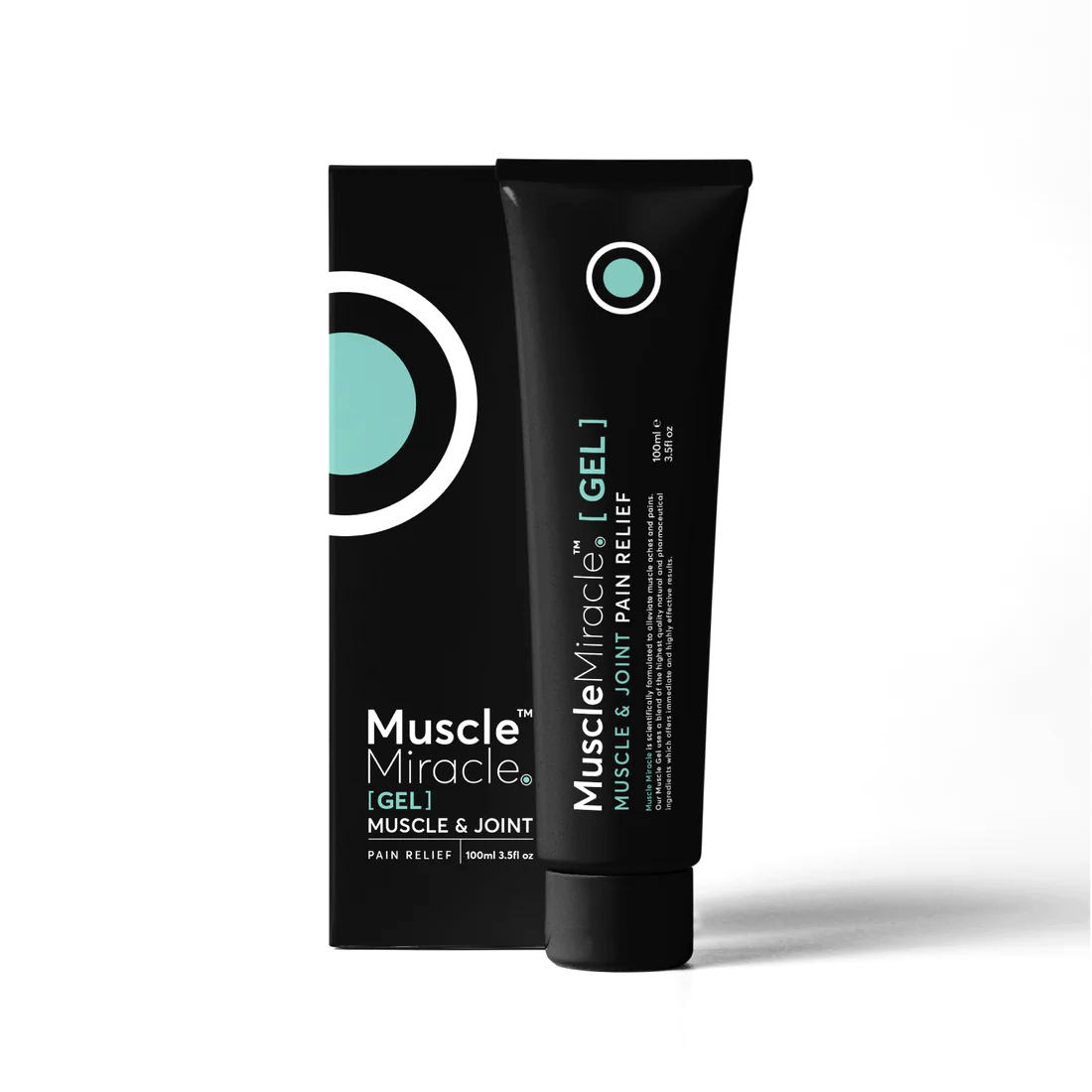
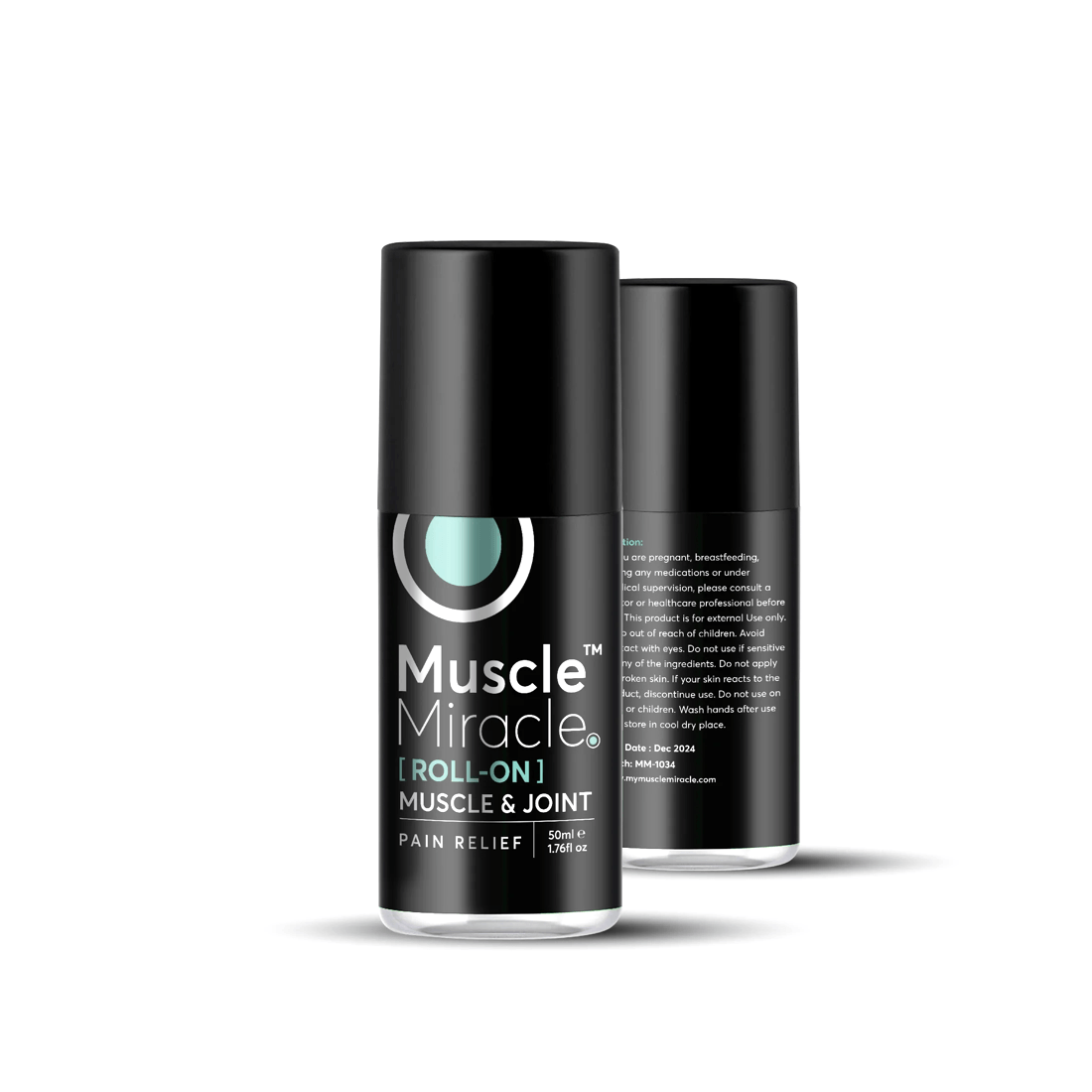
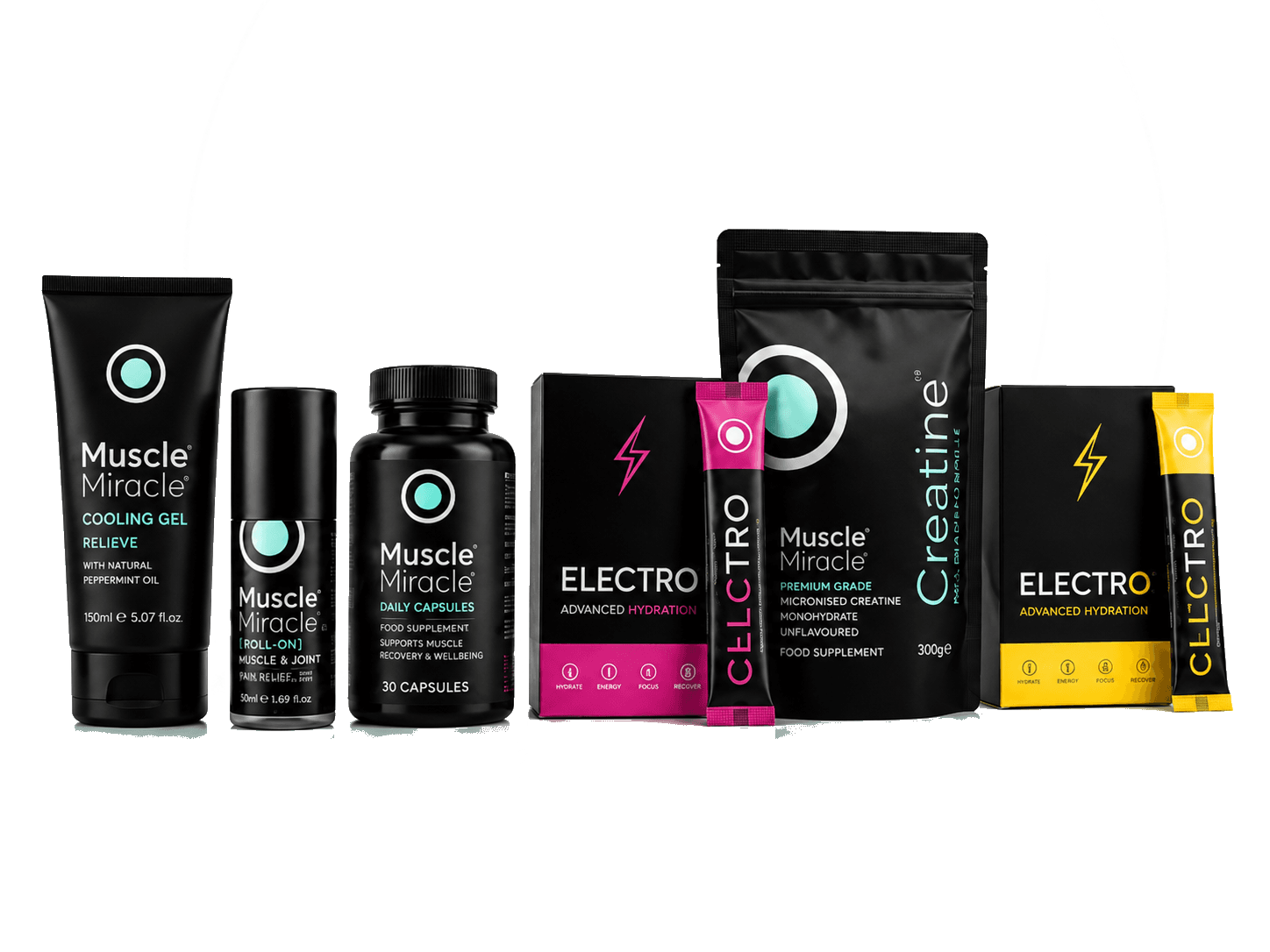
Our own topicals reach the same cool-then-warm feeling by a different route. The Recovery Gel (100ml, £34.99) is the fast-absorbing option with a clear, fresh finish and no greasy residue. The Pain Relief Roll-On (50ml, £9.99) carries the same botanicals — eucalyptus, rosemary, warming cinnamon and black pepper — in a pocket-size, no-mess applicator that glides straight on. Both are vegan and made in the UK.
This guide covers what the names mean on the label. If you want the deeper story of how the cooling sensation actually works, that lives in our science article on menthol. And if you'd rather skip the reading, the 30-second quiz points you to the right format.