Guide
Muscle recovery: the complete guide
Muscle recovery is the adaptation between sessions. It runs on four levers: sleep, refuelling and rehydration, gentle movement and routine.
6 min read
What muscle recovery actually is
Muscle recovery is everything your body does between sessions to adapt to training, and it runs on four levers: sleep, refuelling and rehydrating, gentle movement, and a consistent routine. Get those four working together and hard sessions start turning into visible progress.
A workout is a demand; the adaptation to it happens in the hours and days that follow, while you rest, eat, drink and move gently. That is why recovery is not the empty space between workouts — it is the half of training where the results are made.
This page is the map. Below you will find each lever in brief, with a deeper guide behind every one, plus how the Muscle Miracle range matches each job and how to tell ordinary soreness from a signal worth respecting.
The four levers of muscle recovery
Sleep carries the other three levers. It is when your body consolidates the work you have done, and nothing in a tub or a tube substitutes for it. Protect a regular bedtime first — and if evening sessions leave you wired, build a calm wind-down that draws a line under the day's training.
Refuel and rehydrate, because training empties the tank twice: fuel and fluid. A meal with protein and carbohydrate after a session gives your body something to work with, and since sweat takes electrolytes out along with fluid, proper rehydration is more than water alone.
Gentle movement is not the same as doing nothing — and recovery is not the same as standing still. Unhurried movement on the days between hard sessions tends to leave you feeling looser than a day on the sofa. If you are stiff and tender a day or two after a hard or unfamiliar session, that is usually DOMS: common, temporary and worth understanding.
Routine is the lever that multiplies the rest. Sleep, refuelling and movement only pay off when they happen every week, not just when you remember. Make them structural: attach each habit to something you already do, keep the order the same after every session, and let repetition take over.
Matching the range to the job
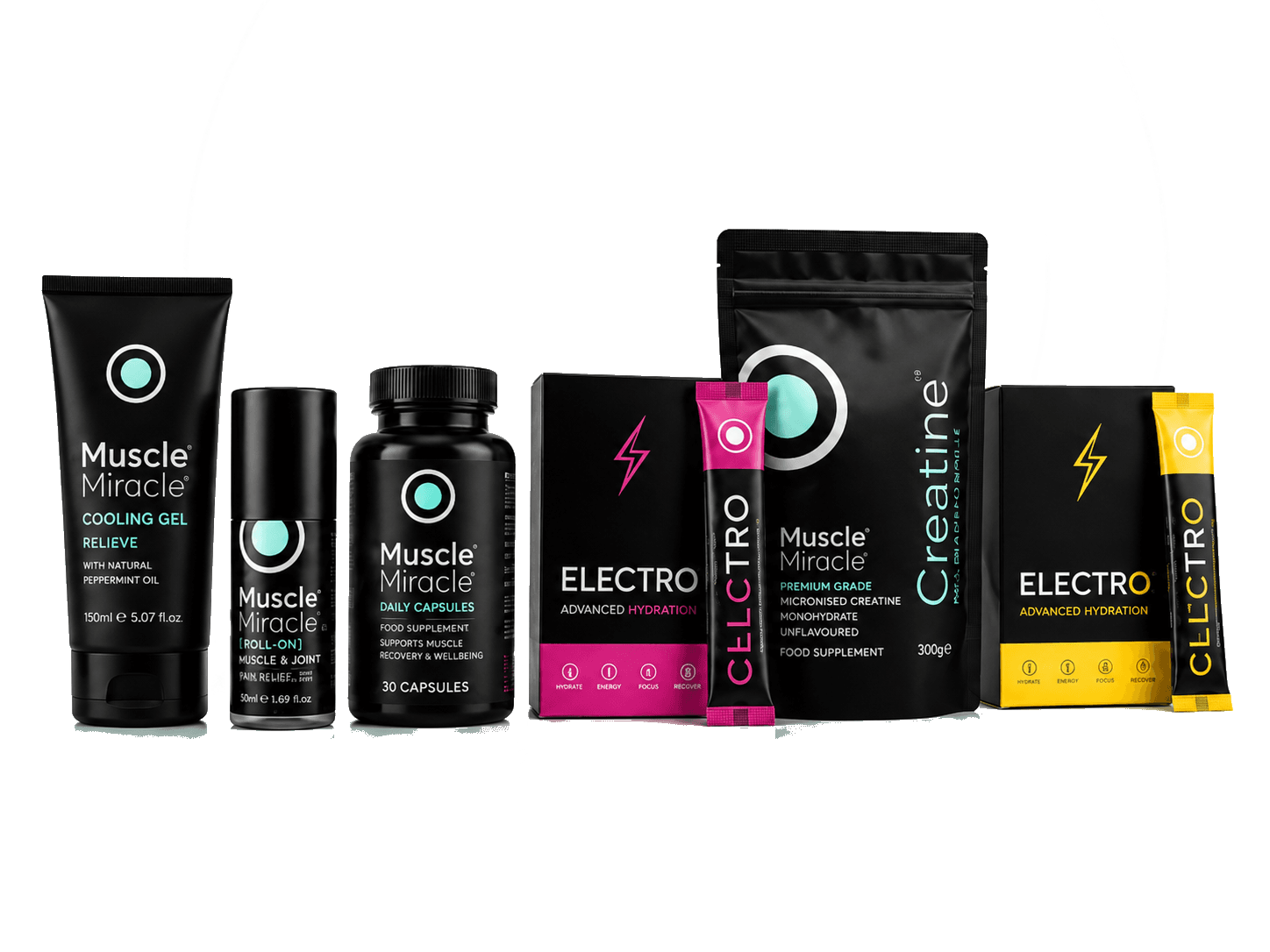
Every Muscle Miracle product is made in the UK and built for one specific job: topicals for how worked muscles feel on the skin, supplements for the daily inputs. Here is the whole range mapped against the levers above.
Not sure where to begin? The 30-second quiz points you at a sensible starting point, and the shop has the full line-up.
| Product | Role in recovery | Format | Price |
|---|---|---|---|
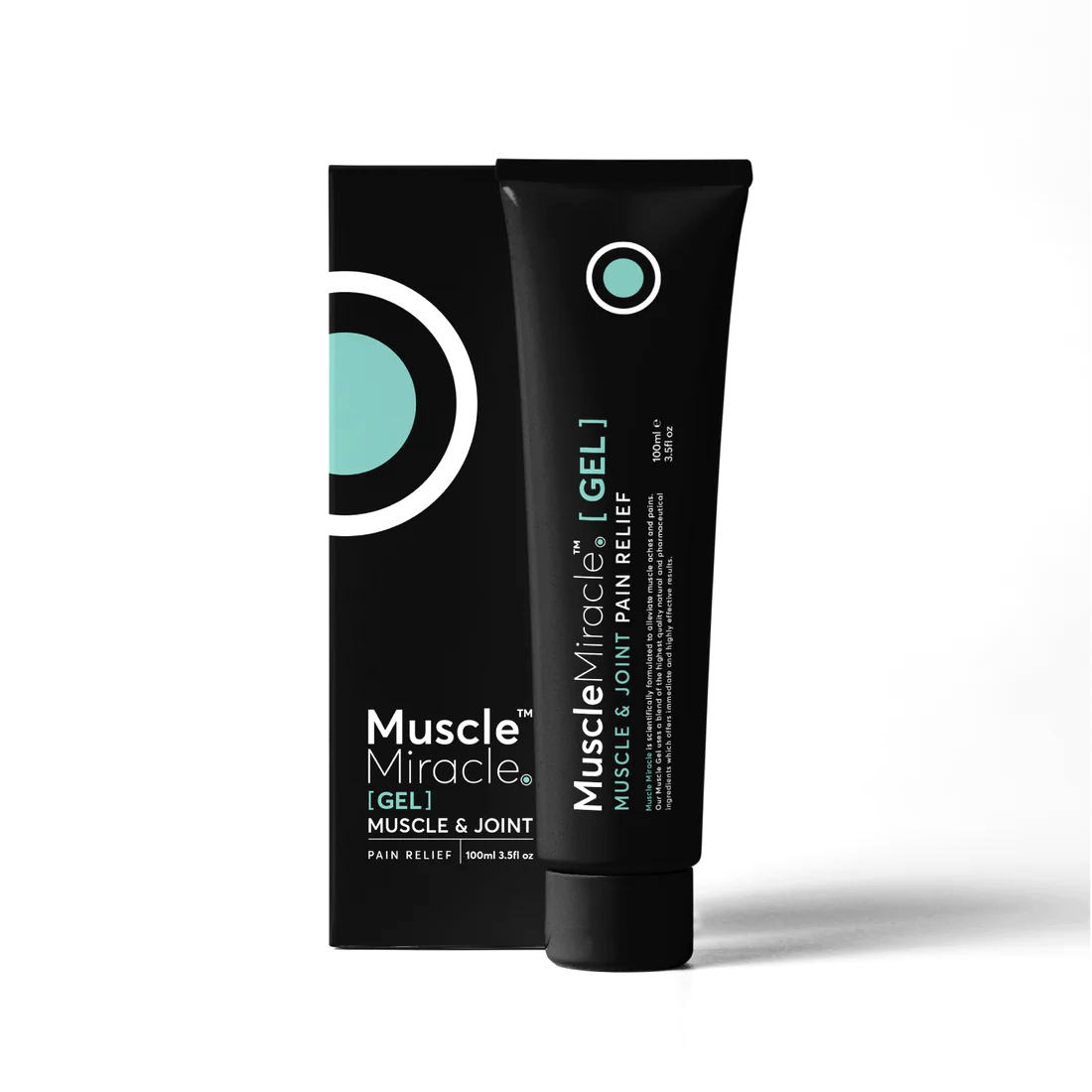
| Recovery Gel | Cooling comfort for worked muscles and joints — the cool-then-warm character of eucalyptus, rosemary, warming cinnamon and black pepper, no greasy residue | 100ml gel, external use only | £34.99 |
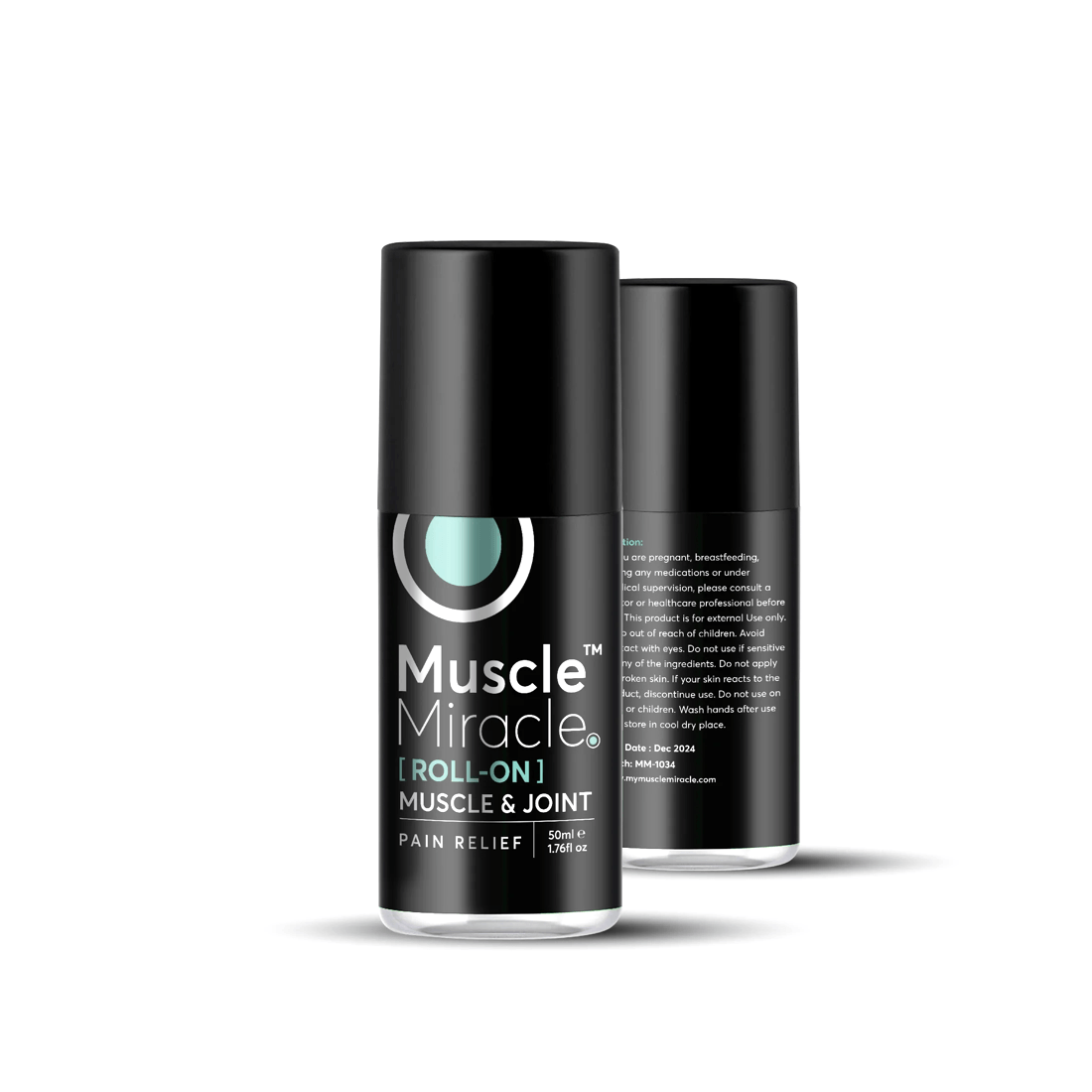
| Pain Relief Roll-On | The same actives in a pocket-size, no-mess applicator that glides straight on — for kit bags and travel | 50ml roll-on, external use only | £9.99 |
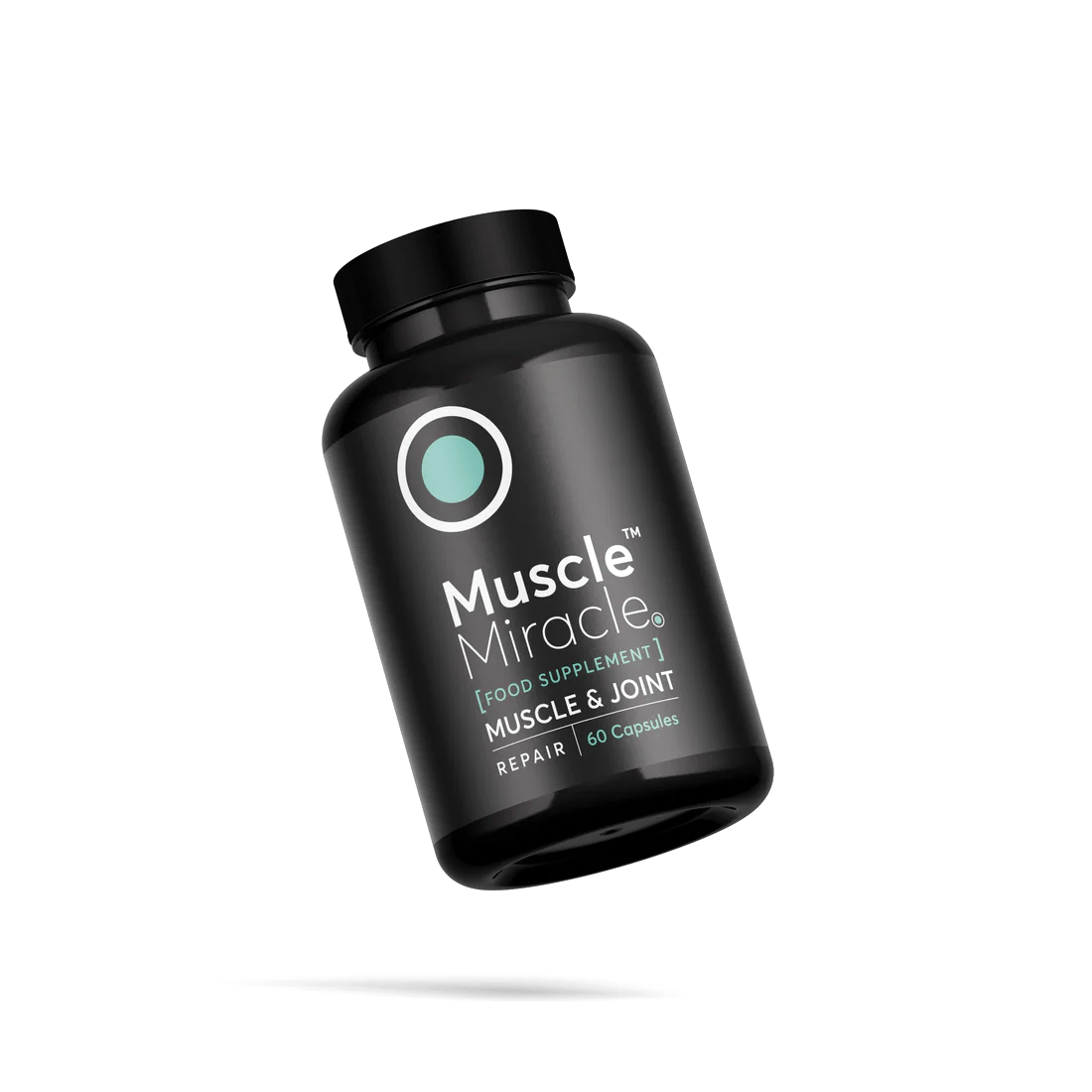
| Recovery Capsules | Daily support from within — magnesium contributes to normal muscle function and the reduction of tiredness and fatigue | 60 capsules (30 days), two a day with a meal | £39.99 |
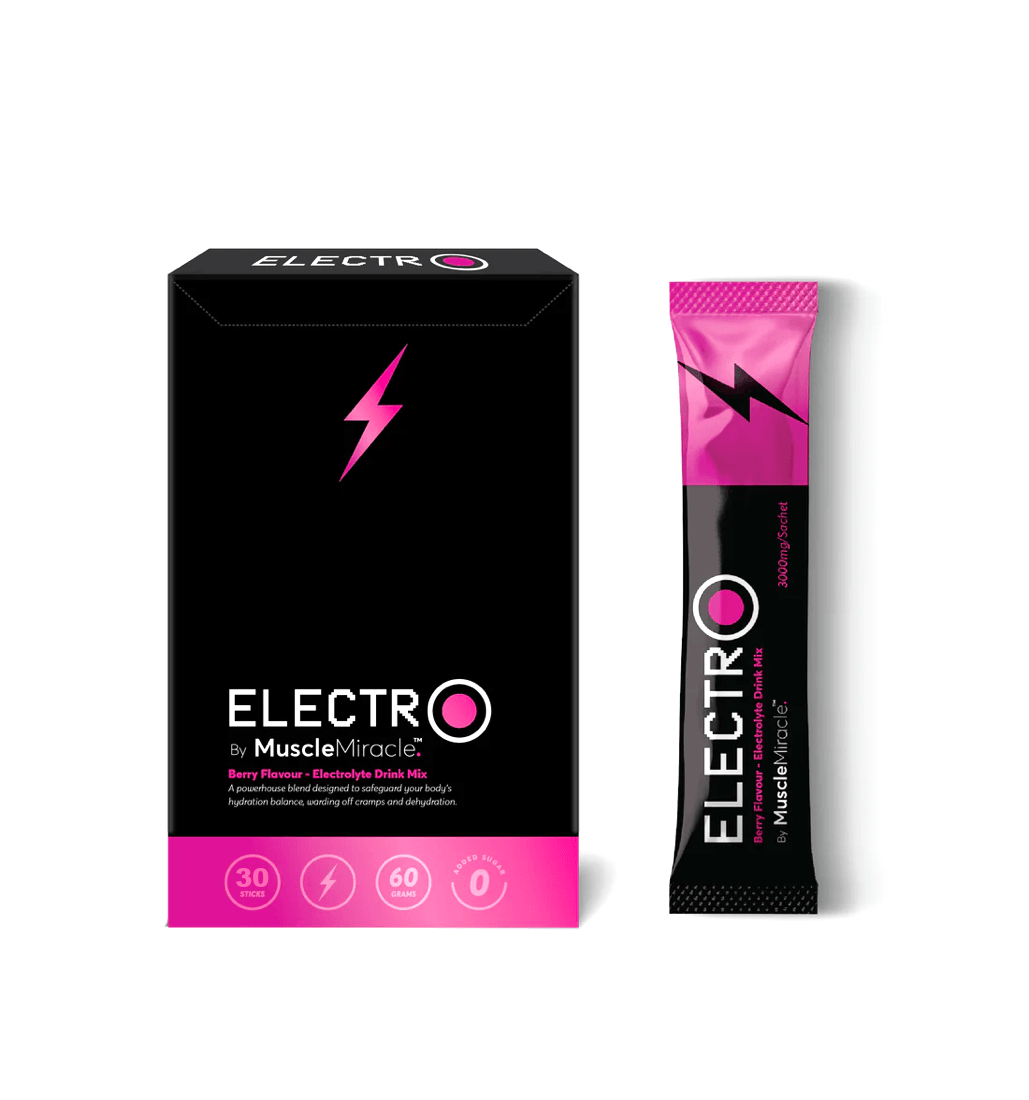
| Electrolytes | Zero-sugar rehydration after sweaty sessions — sodium, potassium and magnesium in one stick | 30 single-serve sticks, Berry or Citrus | £19.99 |
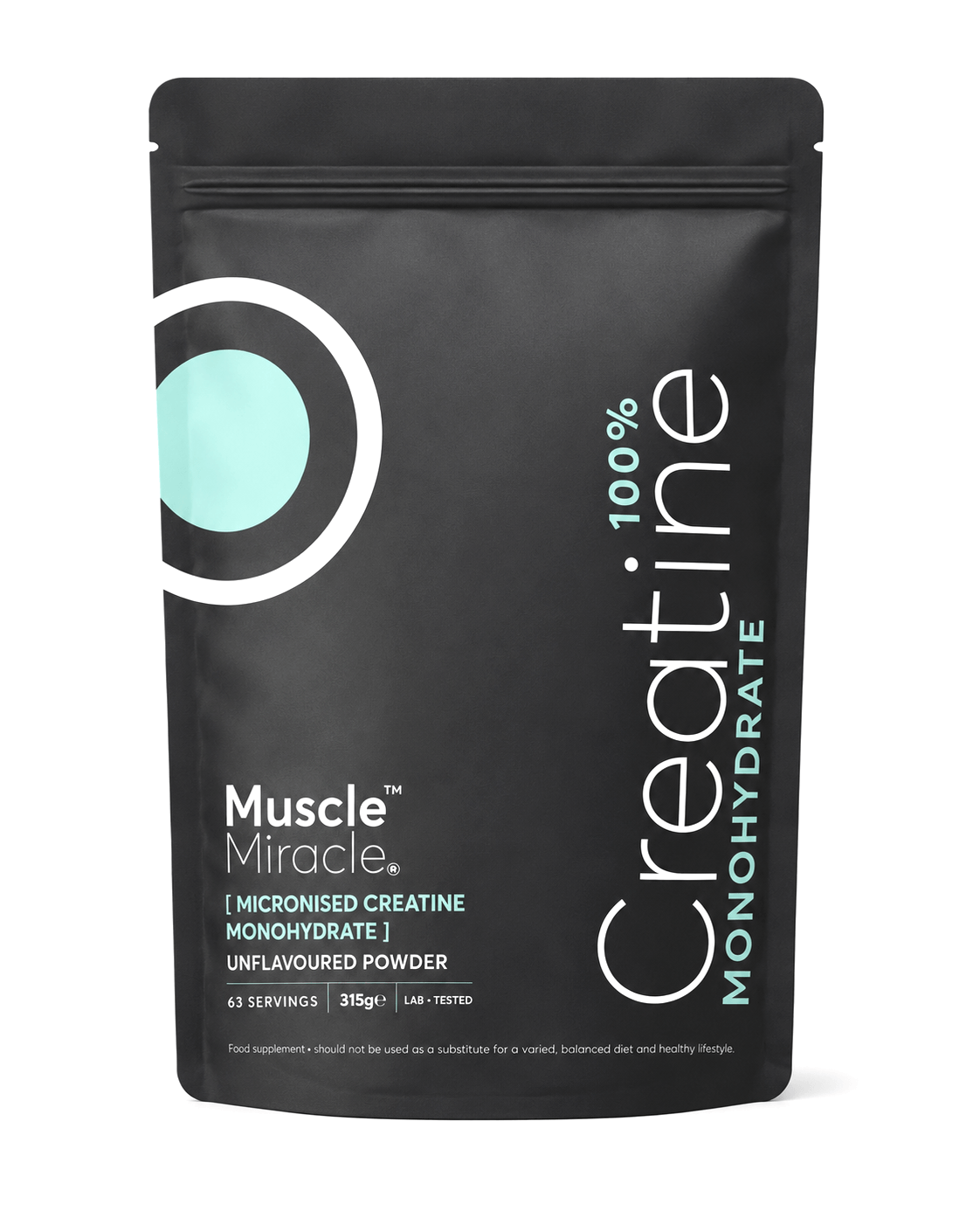
| Creatine | Increases physical performance in successive bursts of short-term, high-intensity exercise, with a daily 3g intake | 315g unflavoured powder, 63 servings, scoop included | £14.99 |
| The Training Trio | Gel, Roll-On and Capsules together — the topical-plus-daily core of a recovery routine | Three-product bundle | £72.99 |
| Build Your System | The Trio plus Electrolytes for the full four-product routine (Creatine sold separately) | Four-product bundle | £88.99 |
When soreness is normal — and when to ease off
Ordinary post-training soreness is the stiff, tender feeling that arrives a day or two after a hard or unfamiliar session, sits across the muscles you worked, and settles on its own. That is DOMS, and it is a normal part of adapting to a new demand.
Some signals deserve more respect: sharp or sudden discomfort during a session, soreness that is strongly one-sided, visible swelling, or anything getting worse over the following days rather than better. None of those are badges of effort — they are reasons to stop and ease off.
If something like that does not settle, or you are simply unsure, speak to your GP or a physiotherapist before training on it. Nothing on this page, and nothing in our range, is a substitute for proper medical advice.
Common questions
What is DOMS? Delayed-onset muscle soreness — the stiff, tender feeling that shows up a day or two after a hard or unfamiliar session, then fades as your body adapts. It is common and temporary, and we cover it in full in its own post.
Do supplements replace food? No. Food supplements are not a substitute for a varied, balanced diet and a healthy lifestyle. Recovery Capsules, Electrolytes and Creatine are designed to sit on top of proper meals, fluids and sleep — never in place of them.
How long until a recovery routine feels normal? There is no fixed timetable, and anyone who gives you one is guessing. Habits settle in through repetition: anchor each step to something you already do, keep the order identical after every session, and one day you will notice you have stopped thinking about it.